
Understanding Tilt-in-Space Positioning
Renzo Romero
Director of Marketing
Tilt-in-space is one of the most important features in pediatric seating, but it's often misunderstood. Unlike recline — which changes the angle between the seat and back — tilt-in-space maintains the hip angle while tilting the entire seating system posteriorly. This distinction has significant clinical implications.
When a child is tilted in space, gravity is redistributed across a larger body surface area. This reduces pressure on the ischial tuberosities (sitting bones), which is critical for children at risk of skin breakdown. Clinical literature consistently associates posterior tilt with meaningful reductions in seated pressure.
Beyond pressure management, tilt-in-space supports respiratory function. Children with low muscle tone or trunk weakness often slump forward in upright seating, which compresses the diaphragm and reduces lung capacity. Posterior tilt uses gravity to support an open chest posture, improving breathing efficiency.
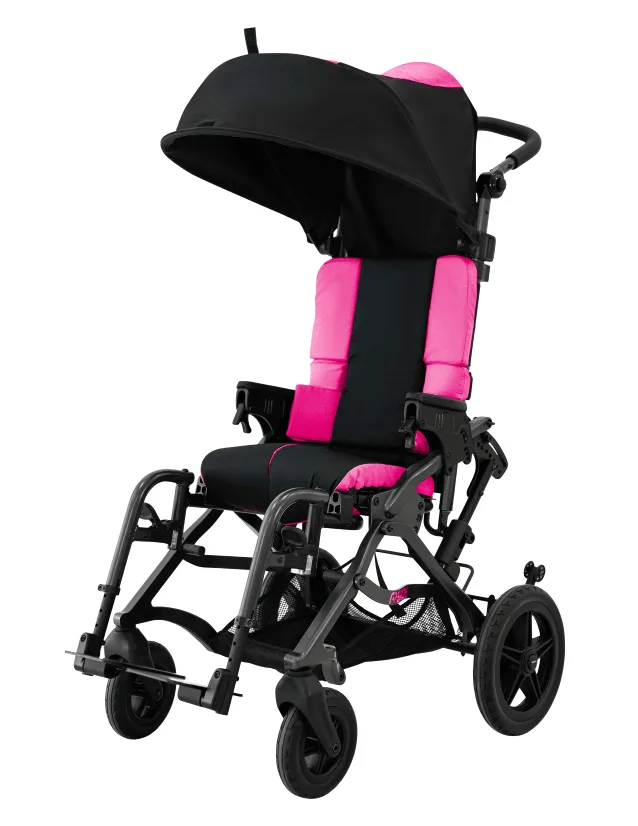
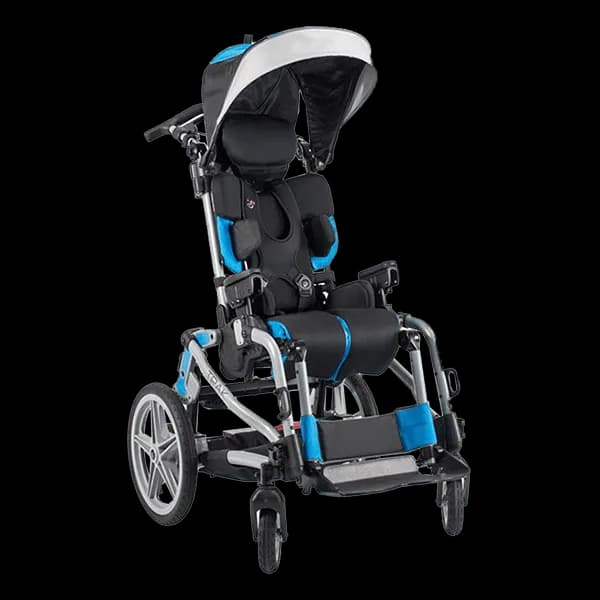
The Leggero Trak offers 45° of tilt range — one of the highest in its class — in a package that starts at just 33 lbs. The Reach offers fixed tilt options of 10°, 20°, or 30°, allowing clinicians to specify the exact angle their client needs. Both approaches have clinical merit; the choice depends on whether the child benefits from dynamic tilt adjustment throughout the day or a consistent, prescribed angle.